Scientific Network


Funding and Industrial Partners



Our Team
Head of the CD-lab
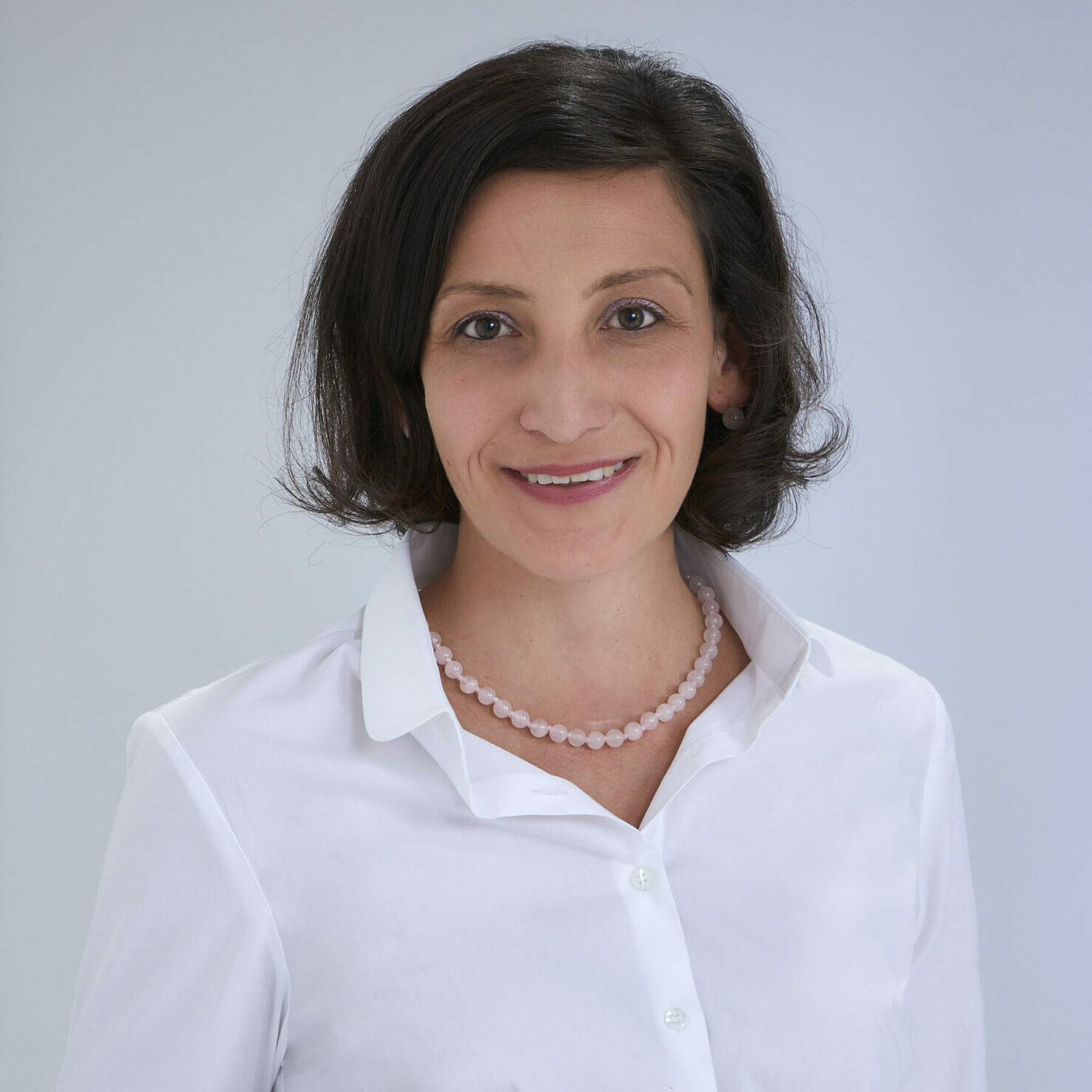
Univ.-Prof. Dipl.-Ing. Dr.mont. Susanne Michelic
Scientific Employees
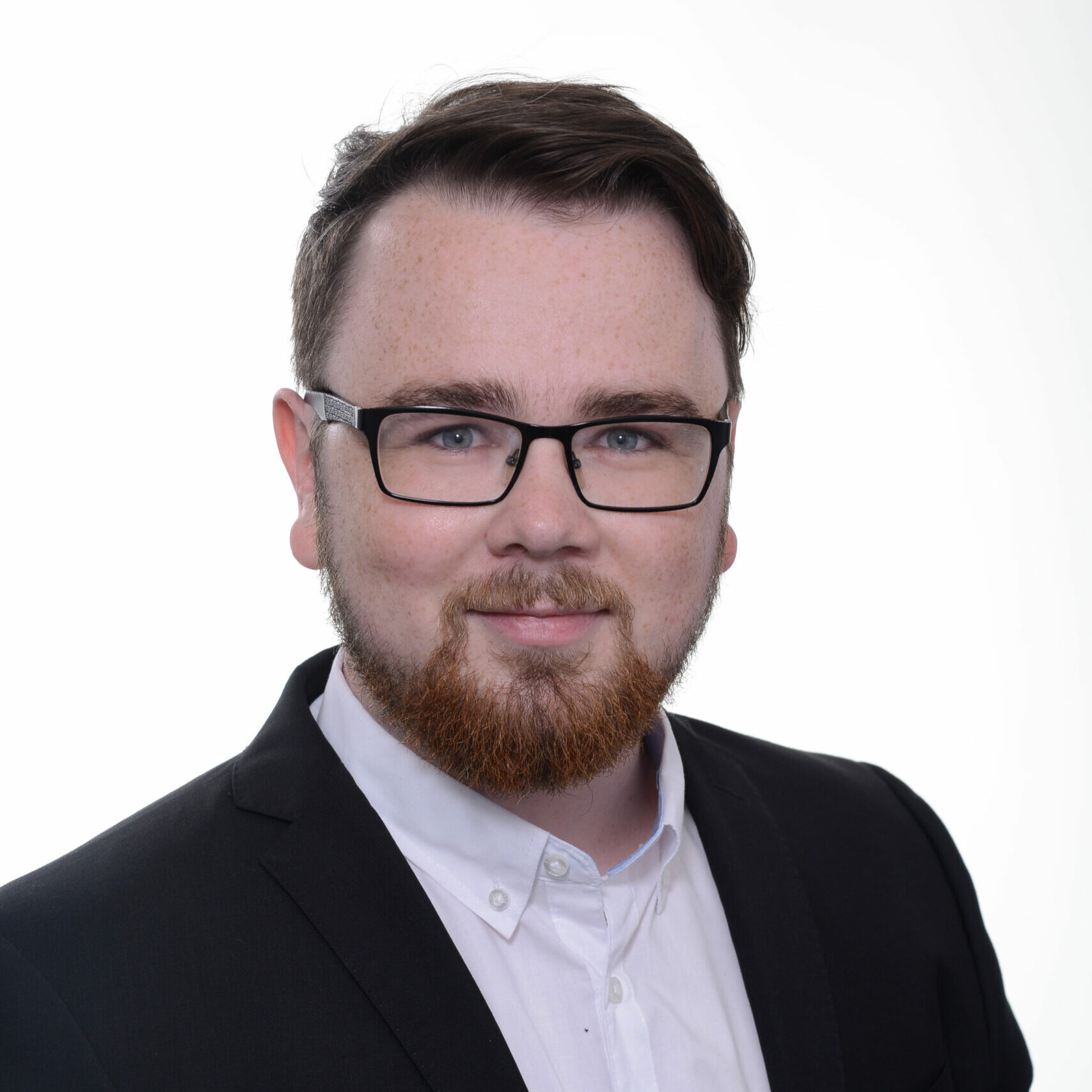
Manuel
Schickbichler
PhD candidate
Powder Metallurgy
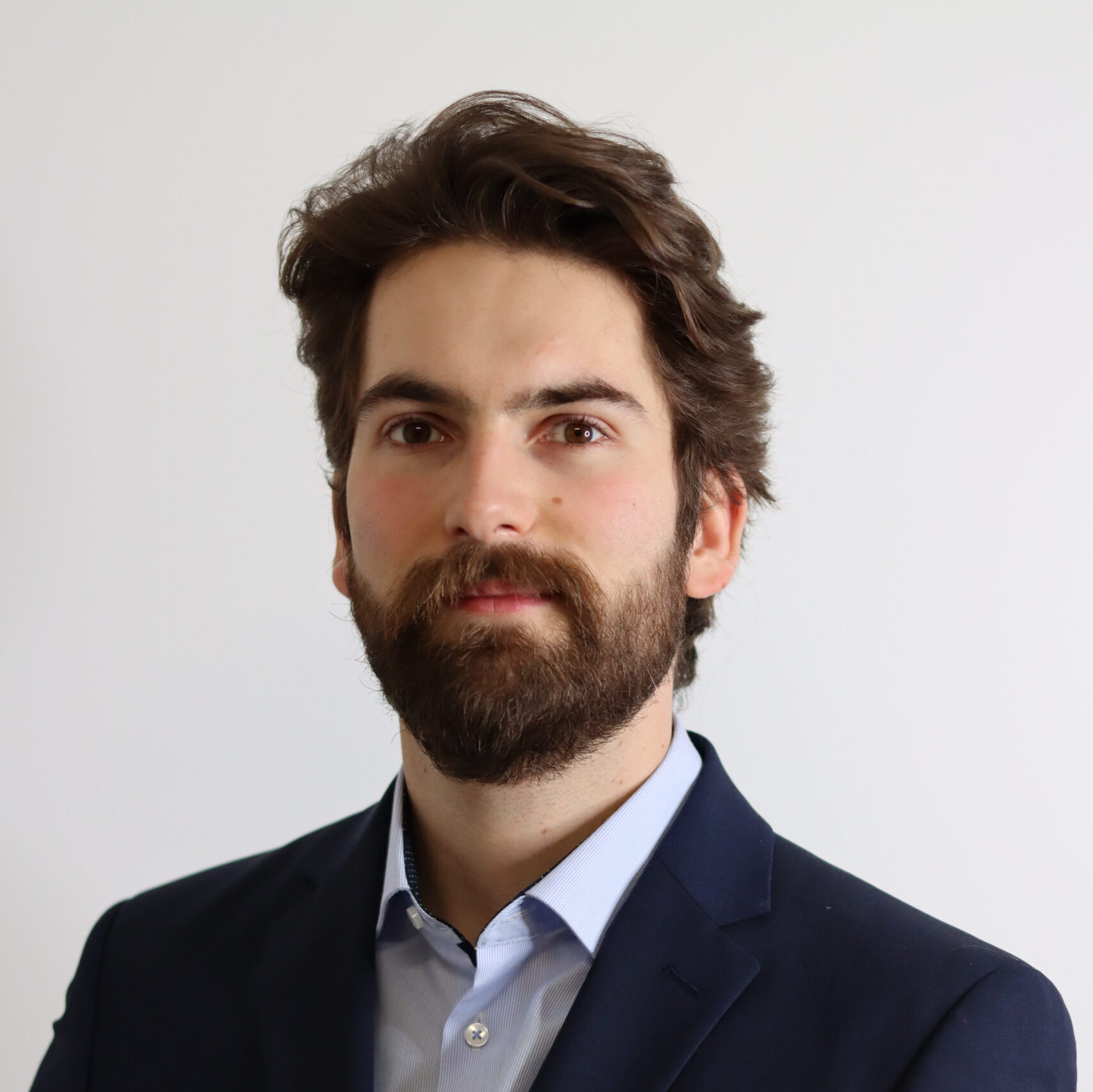
Nikolaus
Preisser
PhD candidate
Alkali-Oxide in Secondary Metallurgy
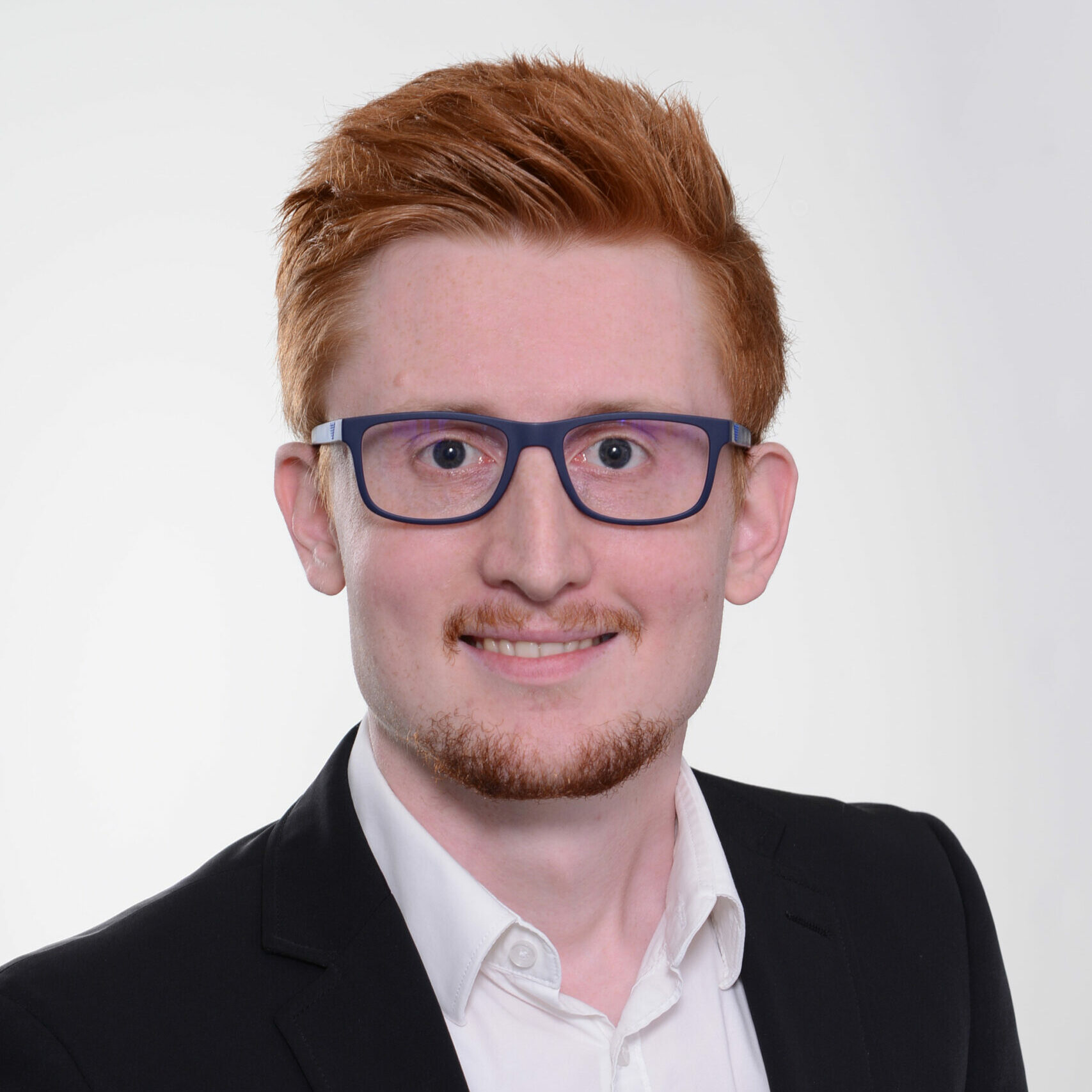
Robert
Musi
PhD candidate
AI assisted Steel Cleanness Optimization
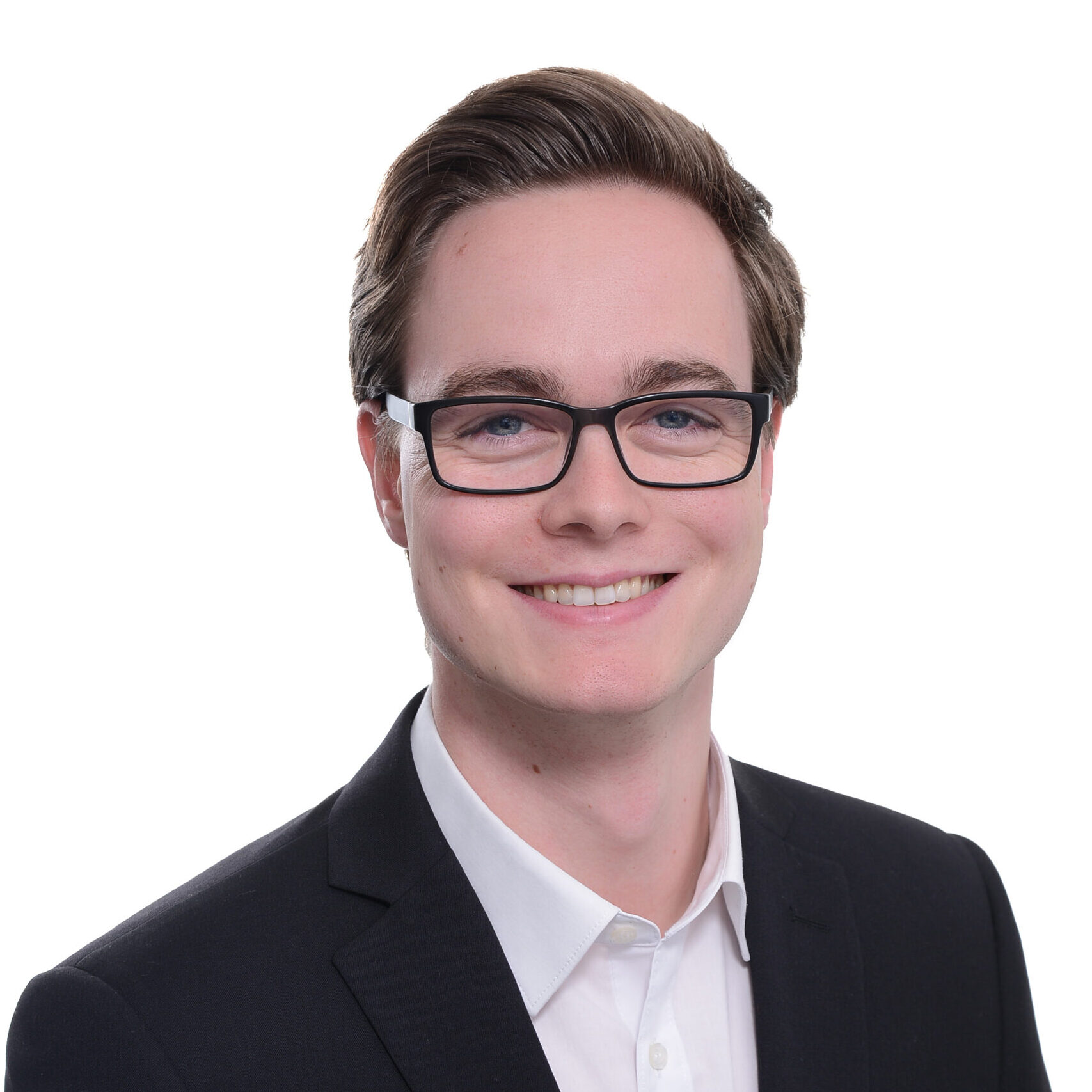
Bernhard
Sammer
PhD candidate
Electrical Steel
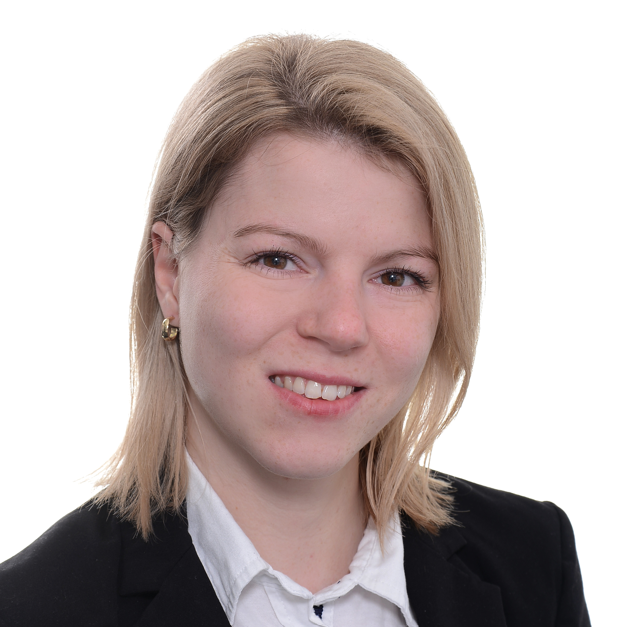
Isabell
Gruber
PhD candidate
Influence of Tramp Elements on Inclusion Properties

Alexander
Scheer
PhD candidate
Application of non-ferrous scraps for deoxidation and desulfurization (financed by CDG)
Student employees
Nathalie
Hansal
Master Student
Influence of Inclusions on the Weldability

Martin
Beran
Bachelor Student
Lab-experiments and Metallograpy
Non-Scientific Employees
Christine
Lackner
Administration-Controlling
Ziad
Babilli
IT- and Data-management

Mateo
Marek
Lab Experiments and Maintenance
Former Scientific Employees
Julian
Cejka
Was employed as PhD candidate and Post Doc
Kathrin
Thiele
Was employed as PhD candidate and Post Doc
Shashank
Ramesh Babu
Was employed as Post Doc
Our Research
Current challenges related to climate change and digitalization lead to new trends in steelmaking and imply new questions for steel producers and their customers. With changing input materials and process steps, controlling and optimizing inclusion metallurgy is essential to ensure satisfactory product quality. The Christian Doppler Laboratory focuses on research concerning the presence of non-metallic inclusions in different steelmaking processes, their formation, modification, and their impact on final material properties.
« Steel is a “composite” material nonmetallic inclusions being inevitably present. »
Holappa and Helle,1995.
The Research Field
Requirements on steel products increase continuously due to the rising demands in their application as well as the evolving competition of other materials. Although steel production has a very long history and product development has always been accompanied by continuous improvement and innovation in steel processing, steelmakers are still facing challenges today to further improve both.
Steelmaking and casting inevitably involve the presence of so-called non-metallic inclusions in the steel as one of these challenges. Non-metallic inclusions (NMI) are particles with a different nature compared to the surrounding matrix (steel). Most of them are generally seen to affect product quality through initiating various material failures negatively. The term Steel Cleanness is principally used to describe the number, size, chemical composition, morphology and distribution of non-metallic inclusions in the steel matrix. The demands to steel cleanness are inevitably connected to the individual application of the steel and material requirements since the properties of the steel are directly linked to its cleanness.
The research field Inclusion Metallurgy covers various aspects regarding the formation, evolution, removal as well as the characterization of non-metallic inclusions at different stages of steel production. Additionally, non-metallic inclusions also have the potential to act as nucleation sites for specific microstructure evolution, thus enhancing mechanical properties. To further optimize the already very high purity level in cleanness-sensitive steels as well as the upcoming questions for secondary metallurgy due to alternative ways for crude steel production, are main challenges today.
The Research Approach
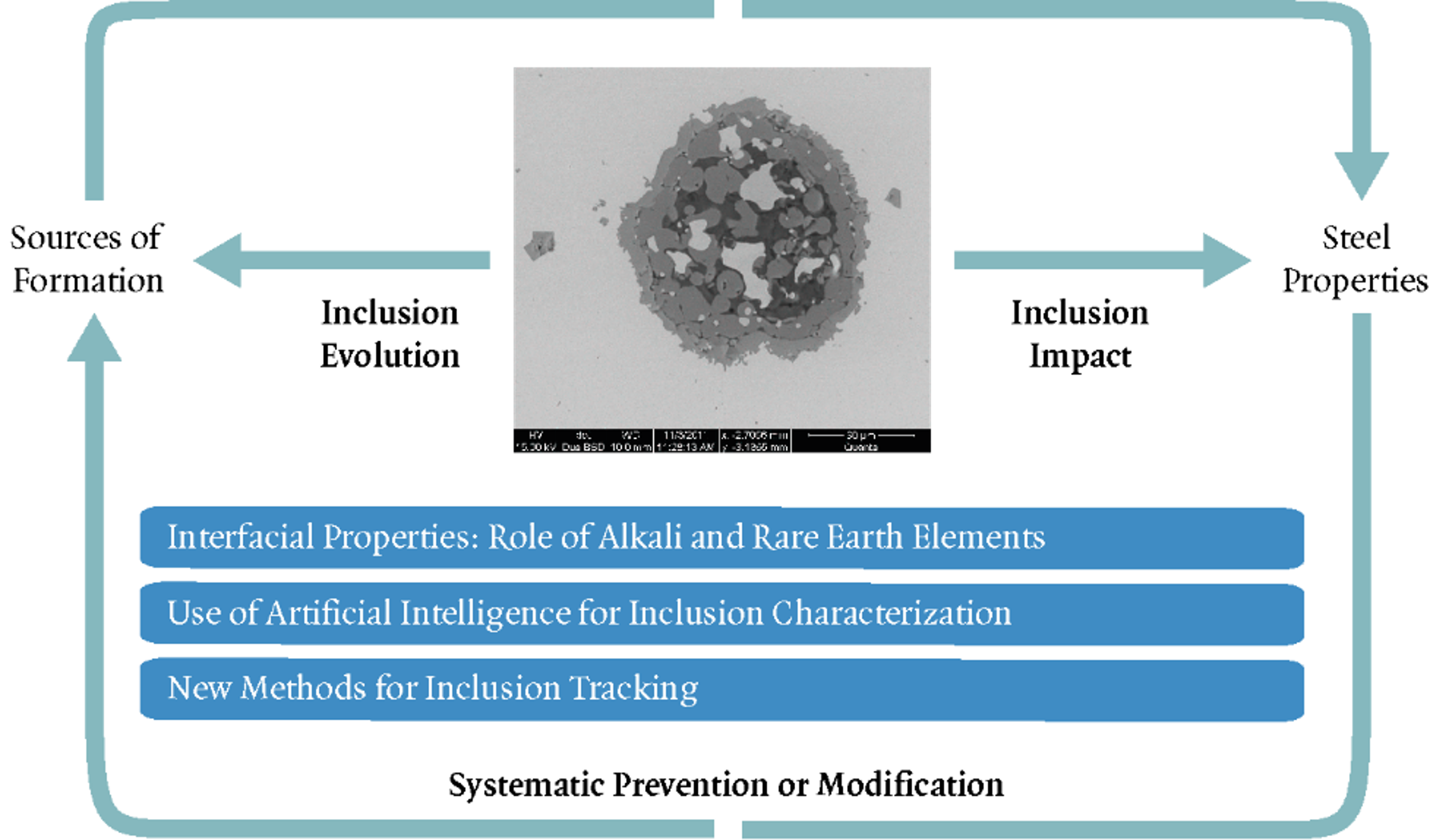
The aim of the CD laboratory is to intensify and further deepen research in the field of Inclusion Metallurgy especially focusing on open questions from a scientific point of view as well as application-oriented subjects in cooperation with the industry partners. The principal idea is to establish a bridge from inclusion formation over their modification and evolution in the system steel-slag-refractory to their final impact on material properties for specific applications. With this approach, the primary aim is to study the relation and interaction between micro-, meso- and macro-cleanness in steel with a special focus on meso-cleanness.
Different process routes and completely various products will be investigated regarding steel cleanness related issues: From integrated steel mill with classical secondary metallurgical processes to powder metallurgical production with Electroslag Heating followed by atomization; from steels for automotive applications to cold work tool steels for precision blanking. However, basic mechanisms and scientific questions related to Inclusions Metallurgy are comparable.
Especially the further development of inclusion analytics, also considering machine learning tools to support inclusion characterization and the representative analysis of meso-particles, as well as different aspects regarding interfacial properties influencing the inclusion behavior, are in the focus of interest. Special attention will be paid on the role of different alkali and rare earth elements changing the inclusions behavior in the system steel-slag-refractory to their final impact on material properties for specific applications.
Objectives:
1. Specific creation of defined inclusion populations on laboratory scale especially considering the role of alkali and rare earth elements; Investigation of the inclusion behavior in the system steel-slag-refractory by means of different experimental methods.
2. Development of a deepened understanding regarding inclusion morphology through the combination of various methods for inclusion analytics focusing on multiphase particles.
3. Linking different analytical tools considering data-driven modeling by means of machine learning for a more efficient inclusion characterization.
4. Systematic, multi-scale analysis and tracking of non-metallic inclusions, especially for the meso-size range.
5. Establishment of isotope analysis for inclusion tracking in the system steel-slag-refractory.
Our Projects
With the CD laboratory, three projects are conducted in cooperation with one industry partner each:
Research Project I: NMI-PM
Industrial Partner: voestalpine Böhler Edelstahl GmbH & Co KG
This project focuses on the behavior of non-metallic inclusions in the powder metallurgical production of tool and high speed steels and the therewith connected potential for further optimization of the already very high steel cleanness level. Based on a deepened understanding of the relation between specific aspects of steel cleanness and the fatigue behavior under defined stresses and loads, the need for excessive material testing should be reduced.
Research Project II: SECMET-SURACT
Industrial Partner: voestalpine Stahl Donawitz GmbH
The main focus of this project is on the challenges of secondary metallurgy in the context of alternative routes for crude steel production based on the Direct Reduction/Electric Arc Furnace process. This includes an examination of the role of treatments with various (tracer) elements, such as alkali or lanthanide groups, to improve inclusion removal.
Research Project III: MESO-INC
Industrial Partner: voestalpine Stahl GmbH
The aim of this project is to study the behavior of inclusions in different steel grades for automotive applications, especially considering the role and impact of meso-inclusions. For this purpose, a multi-scale inclusion characterization, as well as a systematic tracing of particles over the production process by different methods, are of significant interest and importance. This part of the project includes a scientific cooperation with the Chair of General and Analytical Chemistry at Montanuniversitaet Leoben.
In the context of ongoing electrification, a further key aspect of this project is gaining an understanding of non-metallic inclusions and their influence on material properties, including magnetic losses, in electrical steel.
Furthermore, this project deals with the application of artificial intelligence to tackle digitalization challenges and improve the efficiency of quality control systems regarding steel cleanness.
Research activities
Publications
Main-authored:
Significance of Nonmetallic Inclusions for the Clogging Phenomenon in Continuous Casting of Steel––A Review
2022
Co-authored:
Overview of application of automated SEM/EDS measurements for inclusion characterization in steelmaking
2024
Image Processing Procedure to Evaluate Inclusion Dissolution in a Slag Observed by High-Temperature Confocal Scanning Laser Microscopy
2022
Analysis of Non-Metallic Inclusions by Means of Chemical and Electrolytic Extraction-A Review
2022
Editorial: Inclusion/Precipitate Engineering and Thermo-Physical Properties in Liquid Steels and Alloys
2022
Conferences
Advances in inclusion metallurgy based on fundamental studies of interactions in the system steel-slag-refractory. International Conference on Secondary Refining & Inclusion Control, Xi'an, China (2025)
Latest developments in tracing techniques to study the behavior of non-metallic inclusions. 9th International Congress on Science and Technology of Steelmaking, Seoul, South Korea (2025)
Current developments and process strategies for sustainable steelmaking. 4th Materials Science Colloquium, Lech am Arlberg, Vorarlberg, Austria (2025)
The Road to Sustainable Steelmaking Technologies: Linking Fundamental and Applied Research Activities. MS&T24, Pittsburgh, Pennsylvania, USA (2024)
Awards
3rd place of the Hunt-Kelly Outstanding Paper Award (AIME) for the publication "Different Approaches to Trace the Source of Non-metallic Inclusions in Steel.", AISTech 2025, Nashville, Tennessee, USA
Publications
Main-authored:
Assessing the Evolution of Non-Metallic Inclusions in High-Speed Steels by Using the EERZ (Effective Equilibrium Reaction Zone) Modelling Approach
2026
Investigation of Microscopic Nonmetallic Inclusions in Powder Metallurgical High-Speed Steels
2025
Evaluierung der Unterschiede zwischen sequenzieller chemischer und elektrolytischer Extraktion anhand von Seltene Erden (SE)-haltigen Einschlüssen
2024
Comparison of methods for characterising the steel cleanness in powder metallurgical high-speed steels
2023
Conferences
Evaluation of steel cleanness in the production of high-speed steels. 4. Blockguss-Forum, Leoben, Austria (2025)
Investigation of microscopic non-metallic inclusions in powder metallurgical high-speed steels. 13th International Tooling Conference, Trento, Italy (2025)
Theoretical and experimental approaches to determine the mass transfer coefficient in the steel/slag/refractory system. MOLTEN, Brisbane, Australia (2024)
Description of Inclusion Population in a High-Speed Steel produced via Powder Metallurgy. 6th European Steel Technology and Application Days, Düsseldorf, Germany (2023)
Evaluierung der Unterschiede zwischen sequenzieller chemischer und elektrolytischer Extraktion anhand von Seltene Erden (SE)-haltigen Einschlüssen. Metallografietagung, Leoben (2023)
Publications
Main-authored:
Comparison of methods for modification of oxidic non-metallic inclusions using alkali elements on a laboratory scale
2026
Application of high-temperature confocal scanning laser microscopy to investigate non-metallic inclusions in steel: a review
2025
Conferences
Comparison of methods for modification of oxidic non-metallic inclusions using alkali elements on a laboratory scale. European Steel Technology and Application Days, Verona, Italy (2025)
Investigation of change in NMI-landscape during experimental alkali-element containing slag treatment of steel. International Conference on Secondary Refining & Inclusion Control, Xi'an, China (2025)
Comparative study of oxide dissolution modeling in secondary steelmaking slags. MOLTEN, Brisbane, Australia (2024)
Investigation of inclusion evolution in a medium carbon steel through contact with secondary metallurgical slags containing alkali oxides. 6th European Steel Technology and Application Days, Düsseldorf, Germany (2023)
Dissolution of Al2O3, MgO.Al2O3, and SiO2 in alkali oxide containing secondary metallurgical slags. Liquid Metal Processing & Casting Conference (LMPC), Philadelphia, USA (2022). Speaker: J. Cejka
Publications
Main-authored:
Machine Learning-assisted Characterization of Artifacts and Non-metallic Inclusions within Automated SEM/EDS analysis
2026
Steel Cleanness Evaluation: Framework for Inclusion Characterization by Means of Automated and Manual SEM/EDS Analysis and Computational Thermodynamics
2025
Conferences
Improved Framework for the Evaluation of Steel Cleanness Using Automated SEM/EDS Analysis with Thermodynamic Considerations and Machine Learning Models. 9th International Congress on Science and Technology of Steelmaking, Seoul, South Korea (2025)
Morphology Characterisation of La-traced Non-Metallic Inclusions with Artificial Intelligence. Junior EUROMAT, Manchester, England (2024)
Publications
Main-authored:
Evolution of non-metallic inclusions in non-oriented electrical steel: industrial observations and laboratory test results
2026
Conferences
Evolution of non-metallic inclusions in non-oriented electrical steel: Industrial observations and laboratory test results. European Steel Technology and Application Days, Verona, Italy (2025)
Optimizing automated SEM/EDS analysis for accurate nitride typification in non-oreiented electrical steel. International Conference on Secondary Refining & Inclusion Control, Xi'an, China (2025)
PhD thesis
Influence of Tramp Elements on Non-Metallic Inclusions in Cleanness Sensitive Medium Carbon Steels
2025
Publications
Main-authored:
Impact of selected tramp elements in medium carbon steels on the deformation behavior of non-metallic inclusions and phase transformations
2025
Steel and slag combined in HT-CSLM: A new approach for the in-situ investigation of non-metallic inclusions
2025
In-Situ Observation of Steel/Slag/Inclusion Interaction by Means of High-Temperature Confocal Scanning Laser Microscopy
2023
Co-authored:
Conferences
Interplay of scrap introduced tramp elements and non-metallic inclusions. FEMS 2025 EUROMAT, Granada, Spain (2025)
Evaluation of the Changes in Oxidic Steel Cleanness Linked to Tramp Elements Introduced by Increased Scrap Recycling. 10th European Oxygen Steelmaking Conference, Vienna, Austria (2025)
Influence of increased tramp element contents on wetting conditions and deformation behavior of non-metallic inclusions in medium carbon steels. AISTech, Nashville, Tennessee, USA (2025)
Influence of scrap introduced tramp elements on non-metallic inclusions in cleanness sensitive steels. 4th Materials Science Colloquium, Lech am Arlberg, Vorarlberg, Austria (2025)
Steel and slag combined in HT-CSLM: A new approach for the in-situ investigation of non-metallic inclusions. The Liquid Metal Processing and Casting Conference (LMPC 2024), Leoben, Austria (2024)
Challenges of impurity removal and slag metallurgy in green steel production. Swerim Recycling Day 2024, Online (2024)
Challenges of impurity removal in green steel production. ALMAMET International Symposium Desulfurization of Hot Metal and Steel. Cologne, Germany (2024)
The impact of tramp elements on the wetting behavior of non-metallic inclusions in a medium-carbon steel. International Conference on Secondary Refining and Inclusion Controlling SRIC 2023, China (2023)
Consequences of an increased content of tramp elements in steel on the wetting conditions in the system steel-inclusion-refractory. 6th European Steel Technology and Application Days, Düsseldorf, Germany (2023)
Influence of specific trace elements on the wetting behaviour of a medium-carbon steel in contact with different oxidic substrates. Material Sciene and Engineering MSE Darmstadt, Germany (2022)
Others
Influence of increased tramp element contents on wetting conditions and deformation behavior of non-metallic inclusions in medium carbon steels. AISTech, Nashville, Tennessee, USA (2025)
Influence of scrap introduced tramp elements on non-metallic inclusions in cleanness sensitive steels. 4th Materials Science Colloquium, Lech am Arlberg, Vorarlberg, Austria (2025)
Steel and slag combined in HT-CSLM: A new approach for the in-situ investigation of non-metallic inclusions. The Liquid Metal Processing and Casting Conference (LMPC 2024), Leoben, Austria (2024)
Challenges of impurity removal and slag metallurgy in green steel production. Swerim Recycling Day 2024, Online (2024)
Challenges of impurity removal in green steel production. ALMAMET International Symposium Desulfurization of Hot Metal and Steel. Cologne, Germany (2024)
The impact of tramp elements on the wetting behavior of non-metallic inclusions in a medium-carbon steel. International Conference on Secondary Refining and Inclusion Controlling SRIC 2023, China (2023)
Consequences of an increased content of tramp elements in steel on the wetting conditions in the system steel-inclusion-refractory. 6th European Steel Technology and Application Days, Düsseldorf, Germany (2023)
Influence of specific trace elements on the wetting behaviour of a medium-carbon steel in contact with different oxidic substrates. Material Sciene and Engineering MSE Darmstadt, Germany (2022)
PhD thesis
Publications
Main-authored:
Tracing non-metallic inclusions in steel with low levels of enriched magnesium stable isotopes: A novel approach
2025
Investigating the Origin of Non-Metallic Inclusions in Ti-Stabilized ULC Steels Using Different Tracing Techniques
2024
AI assisted steel cleanness evaluation: Predicting the morphology of La-traced non-metallic inclusions using backscattered-electron images
2023
Optimzation of the Two- and Three-Dimensional Characterization of Rare Earth-Traced Deoxidation Products
2023
Evaluation of different alloying concepts to trace non-metallic inclusions by adding rare earths on a laboratory scale
2022
Co-authored:
Tracing of Deoxidation Products in Ti-Stabilized Interstitial Free Steels by La and Ce on an Industrial and Laboratory Scale
2023
Conferences
Innovative Methods to Trace Non-Metallic Inclusions in Steel. 4. Blockguss-Forum, Leoben, Austria (2025)
Evaluating Techniques for Identifying Isotopically Spiked Non-Metallic Inclusions in Steel. FEMS 2025 EUROMAT, Granada, Spain (2025)
Isotopic Spiking - An innovative Method to Trace Non-Metallic Inclusions in Steel. 9th International Congress on Science and Technology of Steelmaking, Seoul, South Korea (2025)
Innovations and Optimizations in Tracing Non-Metallic Inclusions in Steel. 10th European Oxygen Steelmaking Conference, Vienna, Austria (2025)
Tracing Techniques to Determine the Origin of Non-Metallic Inclusions in Steel: An Overview. 4th Materials Science Colloquium, Lech am Arlberg, Vorarlberg, Austria (2025)
Der Reinheitsgrad in der Metallurgie: Aktuelle Forschungsthemen und deren Anwendung. AWT-Fachauschuss 21 - Gefüge und mechanische Eigenschaften, Bremen, Germany (2024)
Isotopic Fingerprint – an Innovative Method to Determine the Origin of Non-Metallic Inclusions in Steel. MS&T24, Pittsburgh, Pennsylvania, USA (2024)
Impulsvortrag - Aktuelle Forschung auf dem Gebiet der Einschlussmetallurgie. DGM/AWT-Gemeinschaftsfachausschuss Werkstofftechnik Stahl, Siegburg, Germany (2024)
Application of tracing techniques to determine the source of alumina inclusions in the clogging layer of Ti-stabilized ULC steels. International Conference on Secondary Refining and Inclusion Controlling SRIC 2023, China (2023)
Comparison of tracing deoxidation products with rare earth elements in the industry and on a laboratory scale. 6th European Steel Technology and Application Days, Düsseldorf, Germany (2023)
Tracing the origin of non-metallic inclusions by elemental and isotopic fingerprints. Junganalytiker*innen Forum, Montanuniversitaet Leoben, Austria (2023)
Different Approaches to Trace the Source of Non-Metallic Inclusions in Steel. AISTech 2023, Huntington Place, Detroit, Michigan, USA (2023)
Different Approaches to Trace the Source of Non-Metallic Inclusions in Steel. 8th International Congress on the Science and Technology of Steelmaking (ICS), Montreal, Kanada (2022). Speaker: S.K. Michelic
Characterization of Rare-Earth-Elements-Traced Non-Metallic Inclusions by Different Methods. 8th International Congress on the Science and Technology of Steelmaking (ICS), Montreal, Kanada (2022)
Application of ICP-MS to study the evolution of non-metallic inclusions in steelmaking. 28. ICP-MS ANWENDER*INNEN TREFFEN, Montanuniversität Leoben, Österreich (2022)
Tracing of Non-metallic Inclusions in Secondary Metallurgy by Means of Rare Earth Elements. ASIA STEEL 2021 jointed with Automotive Steel International Conference, Gyeongju, Korea (2021)
Awards
Winner of the INTECO-ASMET award in the category PhD thesis, Leoben, Austria (2025)
3rd place of the Hunt-Kelly Outstanding Paper Award (AIME) for the publication "Different Approaches to Trace the Source of Non-metallic Inclusions in Steel.", AISTech 2025, Nashville, Tennessee, USA (2025)
- Platz ÖWGP Doktoratskolloquium - Dissertation "Tracing of Non-Metallic Inclusions in Steel by Applying Modern Analytical Techniques"
Richard J. Fruehan Award 2024 for the Publication "Different Approaches to Trace the Source of Non-Metallic Inclusions in Steel.", MS&T24, Pittsburgh, Pennsylvania, USA (2024)
Wissenschaftspreis für Montanistinnen in der Kategorie PraeDoc "Active and passive tracing of non-metallic inclusions in steel", Montanuniversität Leoben, Österreich (2024)
3rd Place at Poster Award for "Application of ICP-MS to study the evolution of non-metallic inclusions in steelmaking." at 28. ICP-MS ANWENDER*INNEN TREFFEN, Montanuniversität Leoben, Österreich (2022)
Accomplished and mentored master thesis
M. Riegler
Kontaktlose Temperaturmessung während der sekundärmetallurgischen Behandlung am Pfannenofen
2025
B. Suppan
Einfluss von Alkalimetallen auf nichtmetallische Einschlüsse im Stahl
2025
S. Steinmayr
Identifikation der Quelle von Calciumaluminat-Einschlüssen hochkohliger Stähle mittels Schlackentracings
2025
embargoed until 03-04-2030
M. Wolz
Charakterisierung des Clogging-Layer-Aufbaus im Eintauchausguss mit unterschiedlicher Tracer-Elementen
2025
embargoed until 13-02-2030
I. Gruber
Evaluation of the influence of selected tramp elements on the in inclusion behavior in the steel matrix
2024
embargoed until 26-11-2029
B. Sammer
Einfluss ausgewählter Spurenelemente auf das Benetzungsverhalten im System Stah-Einschluss-Feuerfest
2023
embargoed until 05-12-2028
R. Musi
Influence of Different Hyperparameter Settings and Data Preprocessing Methods on the Classification of Nonmetallic Inclusions with Machine Learning Algorithms
2023
N. Preisser
Influence of Alkali Metal Oxides on Secondary Metallurgical Slags on the Behavior and Appearance of Non-Metallic Inclusions in Steel
2023
M. Schickbichler
Vergleich unterschiedlicher Methoden zur Charakterisierung von nichtmetallischen Einschlüssen in pulvermetallurgisch hergestellten Werkzeugstählen
2022
embargoed until 29-03-2027